
Project Makeover Mod APK v2.147.1 (Unlimited Money)

|
apps App Name |
Project Makeover |
|
update Last Updated |
Sep 4, 2026 |
|
numbers Version |
2.147.1 |
|
sd_card Size |
376 MB |
|
category Category |
Puzzle |
|
play_arrow Google Play Link |
 |

Mod Info
– Unlimited Money
Project Makeover places you in the role of someone who takes on clients whose lives have become a little stuck. A new look can be the first step toward changing how they feel about themselves, but the surroundings often need attention too. One makeover might begin with a tired character who needs a completely different appearance. Another can lead into a room that looks just as neglected.
Most progress begins on the puzzle board. Colored pieces fill the screen, and matching them creates space for the next move. Each level has its own target, so simply making matches is not always enough. Obstacles can block useful spaces, forcing you to look for a move that clears part of the board while setting up something better nearby.
What happens during the puzzles
A few well-placed matches can create special pieces that clear larger sections of the board. When the remaining spaces become crowded with obstacles, these pieces become particularly useful. The board can change quickly after a large combination, sometimes opening an area that was difficult to reach moments earlier.
Moves are limited, so there is usually a reason to pause before making an obvious match. A move that completes the current objective may also leave the board in an awkward position. Looking at what will happen after the pieces fall can make the difference between finishing a level and having to try again.
Completing puzzles moves the makeover forward. Instead of spending all of your time on the same board, you return to the client and decide what should change next.
Changing a client’s appearance
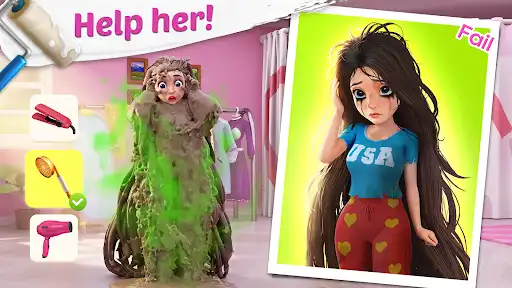
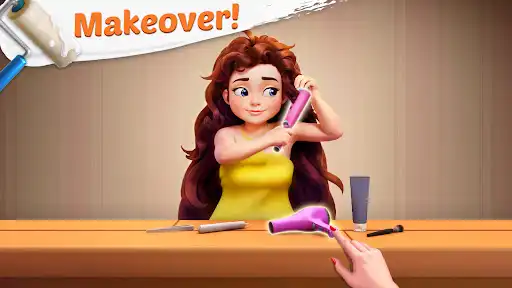
Makeover scenes focus on visible changes. A character might arrive with a look that feels out of place, and the choices that follow gradually reshape their appearance. Hair can change the overall impression of a character before clothing is even considered.
Clothing choices become part of the transformation too. Different outfits can make the same character look dramatically different, so selecting an option feels connected to the situation rather than being separate from it. Makeup and other appearance changes continue the process until the character looks ready for their new setting.
The before-and-after contrast is an important part of these scenes. Early versions of a character may look deliberately unfinished, while later scenes show the choices made during the makeover.
Giving rooms a new look
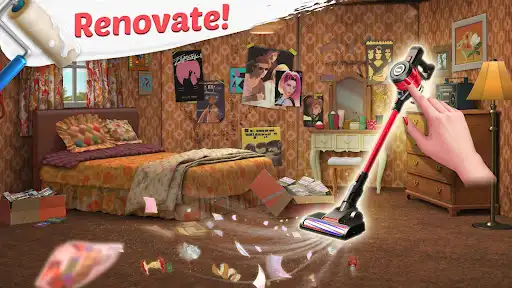
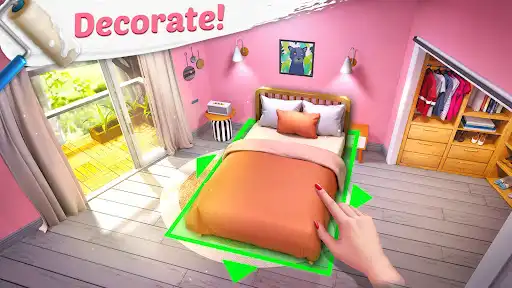
Characters are not the only things that need attention. Some stories take you into rooms that require their own transformation. Furniture and decorations can be replaced as the project develops.
A bare or worn-down space gradually takes on a different character as new pieces are selected. The choices are presented visually, so you can see the room change rather than simply reading about the improvement. This also means that a makeover can feel different depending on the style chosen for the space.
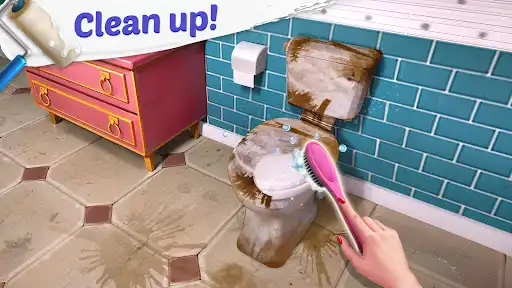
These interior projects give the puzzle progression another purpose. Finishing levels is tied to visible changes elsewhere, so returning to a room after making progress can reveal a noticeably different setting.
Following the makeover stories
The people receiving makeovers give the game its ongoing narrative. Clients arrive with different circumstances, and their problems are often expressed through their appearance or living space. The makeover is therefore more than choosing a new outfit; it becomes part of what happens to that character.
The story also introduces recurring personalities connected to the makeover world. Their conversations and reactions help connect individual projects, while the changing clients keep the situations from feeling identical.
Progress through the game can therefore alternate between solving a puzzle and seeing how that solution affects someone’s situation. The visual change is often the clearest sign that the story has moved forward.
Creating your own style
Outside the client projects, you have an avatar whose appearance can be customized. This shifts the focus away from fixing someone else’s look and toward deciding how you want your own character to appear.
Fashion choices can be changed as you progress, giving your avatar a separate identity from the people appearing in the makeover stories. There is also a social element, since you can visit friends and see their avatars.
That creates a small break from the client-focused parts of the game. Instead of working toward a particular makeover brief, you are simply shaping the appearance associated with your own profile.
The visual feel of play
Project Makeover uses a bright, stylized look built around expressive characters and strong visual changes. Faces and outfits are designed to make the difference between an early makeover stage and a finished one easy to notice.
The rooms follow the same approach. Furniture changes are immediately visible, while the puzzle boards use colorful pieces and animated effects when matches are made. The result is a presentation that feels closer to a televised makeover setting than a realistic simulation.
What you experience while playing depends largely on the relationship between those two sides of the game. Puzzle levels provide the progress needed for the projects, while each completed project changes a person or place on screen. The next puzzle then gives you another reason to return and continue the transformation.